Discover the Massage Therapy Benefits of Neuromuscular Massage Therapy
When dealing with neurological or stroke-related conditions, finding effective ways to support recovery and improve daily comfort is essential. One approach that has gained attention for its targeted relief and healing potential is neuromuscular massage therapy. This specialized form of massage focuses on addressing muscle pain and dysfunction caused by nerve issues, helping to restore balance and ease discomfort.
In this post, I want to share with you the many benefits of this therapy, how it works, and practical ways it can support your journey towards better mobility and wellbeing.
Understanding the Massage Therapy Benefits for Neurological Conditions
Massage therapy offers a range of benefits, especially for those managing neurological challenges. It can help reduce muscle tension, improve circulation, and promote relaxation. These effects are particularly valuable when muscles become tight or weak due to nerve damage or stroke.
Some key benefits include:
Pain relief: Targeted massage can ease chronic pain by releasing muscle knots and reducing inflammation.
Improved mobility: Loosening tight muscles helps increase range of motion and flexibility.
Enhanced circulation: Better blood flow supports tissue healing and reduces swelling.
Stress reduction: Gentle touch encourages relaxation, which can improve sleep and mood.
Neuromuscular re-education: Massage can help retrain muscles to function more effectively after nerve injury.
By addressing both the physical and emotional aspects of recovery, massage therapy supports a holistic approach to healing.

How Neuromuscular Massage Therapy Works
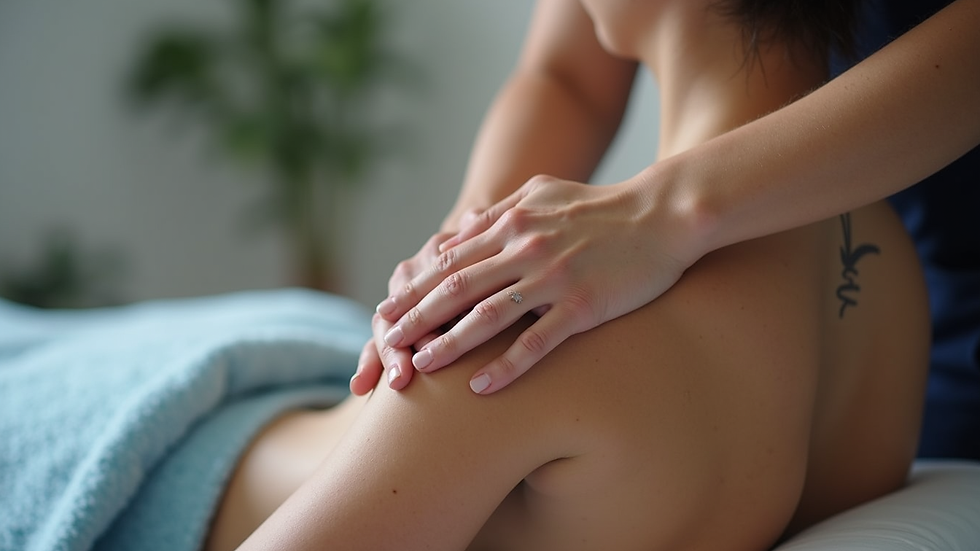
Neuromuscular massage therapy is a precise technique that focuses on identifying and treating areas of muscle tightness and trigger points caused by nerve irritation or injury. The therapist uses firm pressure and specific strokes to release tension and improve communication between nerves and muscles.
This therapy is particularly helpful for people who experience:
Muscle spasms or cramps
Persistent pain in specific areas
Reduced muscle strength or coordination
Post-stroke muscle stiffness
The therapist will often combine massage with stretching and movement exercises to enhance recovery. This hands-on approach helps break the cycle of pain and muscle dysfunction, encouraging the body to heal naturally.
If you want to learn more about this approach, you can explore neuromuscular massage therapy and how it fits into neurological rehabilitation.
Practical Tips to Maximise the Benefits of Massage Therapy
To get the most out of your massage therapy sessions, consider these helpful tips:
Communicate openly: Share your pain levels and comfort preferences with your therapist. This helps tailor the treatment to your needs.
Stay hydrated: Drinking water before and after sessions supports muscle recovery and toxin removal.
Combine with exercise: Gentle stretching or physiotherapy exercises complement massage by maintaining muscle flexibility.
Schedule regular sessions: Consistency can improve long-term outcomes and prevent muscle tightness from returning.
Create a relaxing environment: Use calming music or aromatherapy to enhance relaxation during your sessions.
By actively participating in your care, you empower yourself to achieve better results and improve your quality of life.

Supporting Independence Through In-Home Care
One of the greatest advantages of massage therapy, especially for those with mobility challenges, is that it can be provided in the comfort of your own home. In-home care removes barriers such as travel difficulties and allows for a personalised, private experience.
Having a skilled therapist visit you means:
Tailored treatment plans that fit your daily routine
Reduced stress from leaving home or navigating transport
The ability to involve family members in your care and support
A safe, familiar environment that promotes relaxation and healing
This approach aligns with the goal of helping you regain independence and improve your overall wellbeing in a way that feels manageable and supportive.
Embracing a Path to Better Wellbeing
Choosing to explore massage therapy as part of your recovery journey can be a gentle yet powerful step towards feeling better. Whether you are managing muscle pain, stiffness, or the after-effects of neurological conditions, this therapy offers a compassionate way to support your body’s healing.
Remember, every small improvement counts. By combining expert care with your own commitment, you can enhance your mobility, reduce discomfort, and enjoy a greater sense of ease in your daily life.
If you are ready to take the next step, consider reaching out to a qualified therapist who understands your unique needs and can guide you with warmth and expertise.
I hope this insight into the massage therapy benefits of neuromuscular massage therapy encourages you to explore this option. Your journey to improved comfort and independence is important, and there are caring professionals ready to support you every step of the way.


Comments